

The allure of chance
The thrill of chance is a fundamental aspect of human psychology that captivates many. When we engage in gambling activities, the element of unpredictability plays a significant role in eliciting excitement. This uncertainty activates the brain’s reward system, resulting in the release of dopamine, often referred to as the “feel-good” neurotransmitter. Each win—no matter how small—produces a satisfying rush, reinforcing the desire to gamble, especially when considering options like $20 neosurf casino australia real money that can enhance the experience. This biochemical reaction is a powerful motivator, encouraging players to return for more, as they chase the euphoric feelings associated with winning.
Additionally, the unpredictability associated with gambling taps into our innate desire for control over outcomes. Players often believe they can influence the results of a game through their strategies or sheer luck, creating a compelling and engaging experience. This psychological phenomenon can lead individuals to underestimate the inherent house edge, resulting in prolonged gaming sessions and sometimes spiraling into significant losses. Understanding this relationship between chance and psychology can shed light on why many are drawn to casinos in pursuit of their next exhilarating moment.
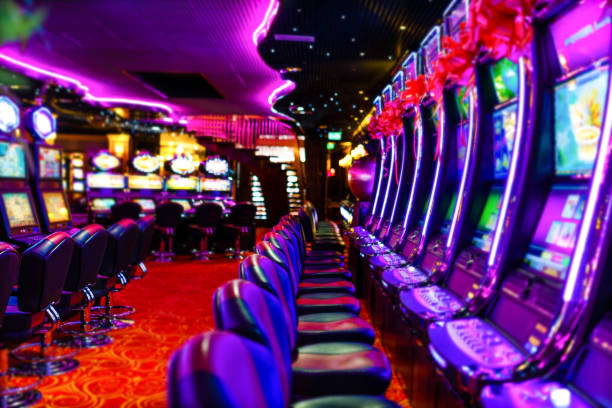
Furthermore, the atmosphere of a casino plays a crucial role in amplifying the allure of chance. With its vibrant lights, engaging sounds, and even the enticing aroma of complimentary drinks, a casino creates a sensory-rich environment that heightens excitement. This carefully curated ambiance encourages longer stays, making it easier for players to immerse themselves in the gambling experience. As individuals become enveloped in the world of chance, they often lose track of time, leading to overspending and a heightened sense of attachment to the games themselves.
The social aspect of gambling
Gambling is not just about the thrill of winning money; it is also a distinct social activity. Many individuals are drawn to casinos as a place to socialize with friends and meet new people. The shared experience of gambling creates a bond among players, fostering camaraderie and friendly competition. This social aspect serves as an important motivator, as individuals often find pleasure in the company of others while enjoying the thrill of the games. The presence of fellow gamblers can enhance the overall experience, making it more enjoyable.
In many casinos, players are encouraged to engage with one another, whether through table games or interactive slot machines. The presence of dealers and other staff members enhances this social experience, as they play an active role in maintaining the fun and excitement of the environment. Players often celebrate wins together, commiserate over losses, and even develop friendships that last beyond the casino walls. The social engagement can heighten enjoyment and provide a sense of belonging, making people more inclined to return to the casino atmosphere.
Moreover, social identity and peer influence can play a crucial role in the allure of gambling. Many individuals may feel that their social status is enhanced when participating in gambling activities, as being part of that environment can create a sense of prestige. Friends or family members often influence individual decisions to gamble, as they may want to join in on the fun or keep up with a social circle that regularly visits casinos. This pressure can lead individuals to seek out gambling environments even when they initially had no intention of playing, illustrating the powerful influence of social dynamics in the world of gambling.
The thrill of winning versus the fear of losing
The psychological push and pull between the thrill of winning and the fear of losing creates a complex emotional landscape for gamblers. When players experience a win, they often feel euphoric, which can lead to addictive behavior. Conversely, losses can trigger feelings of disappointment and regret. This duality makes the decision to gamble both enticing and perilous, as individuals constantly oscillate between hope and despair. Understanding this dynamic is essential in exploring why people willingly participate in such a risky endeavor.
Moreover, the psychological concept known as “loss aversion” plays a substantial role in gambling behavior. Research has shown that individuals tend to feel the pain of a loss more acutely than the pleasure derived from a gain of the same value. This leads to a classic scenario in gambling, where players chase their losses, trying to reclaim what they’ve lost by continuing to gamble. This behavior creates a cycle of increasing risk, further entrenching individuals in a gambling mindset motivated by the desperate hope of recouping their losses.
Balancing the thrill of winning with the potential consequences of losing can also influence gambling strategies. Many players develop elaborate systems or superstitions, believing they can mitigate the risk of losing or enhance their chances of winning. While these strategies often lack a basis in reality, they reflect a profound psychological need to exert control over uncertainty. This belief in personal agency can motivate continued play, even in the face of statistically unfavorable conditions, illustrating how powerful these psychological mechanisms can be in the context of gambling.
Emotional escapism through gambling
Many individuals turn to gambling as a form of emotional escapism, utilizing it as a temporary reprieve from the pressures of daily life. The mesmerizing atmosphere of a casino provides a sanctuary where individuals can forget their troubles and immerse themselves in a vibrant, simulated reality. Whether it’s the allure of winning money, the excitement of spinning reels, or simply the joy of being in a lively environment, gambling can serve as a distraction from the stresses of life. This emotional escape can be both appealing and dangerous, depending on the individual’s circumstances.

This temporary escape, however, can lead to problematic gambling behaviors. Individuals seeking relief from stress may find themselves increasingly drawn into a cycle of gambling to alleviate anxiety. The excitement of the casino can provide a much-needed break, but it can also mask underlying emotional issues that require attention. It is crucial for individuals engaging in gambling as a form of escapism to remain mindful of their reasons for playing and to recognize when their coping mechanism may be crossing into harmful territory.
Additionally, the thrill of gambling can generate feelings of empowerment and self-worth for players, enhancing their overall well-being. The potential for large wins can create a fantasy of a better life, with dreams of financial freedom and fulfillment enticing players to continue their engagement. However, the risk of developing an unhealthy reliance on gambling as an emotional outlet must be carefully managed, as it can lead to long-term repercussions on mental and financial health. Recognizing the distinctions between healthy enjoyment and problematic gambling is essential in navigating this complex emotional landscape.
Understanding gambling through research and resources
In understanding the psychology behind gambling, it’s vital to rely on credible research and resources. Various studies have been conducted to explore the emotional and psychological drivers of gambling behavior. Academic research often examines the interplay between chance, risk, and reward, providing insights into why people enjoy gambling and how they can engage safely. This base of knowledge can inform both players and policymakers about responsible gambling practices, which are essential for promoting a healthy gambling environment.
Additionally, many organizations focus on promoting safe gambling by providing valuable resources and support for individuals who may be struggling with their gambling habits. These resources can offer guidance on recognizing the signs of problematic gambling, coping strategies, and avenues for support. By fostering awareness and education around the psychological factors influencing gambling, we can create a more informed community that recognizes both the joys and the risks associated with gambling.
In conclusion, understanding the psychology of gambling is essential for anyone interested in the dynamics of casinos and their allure. By examining various psychological drivers—such as the excitement of chance, social interactions, emotional escapism, and the thrill of winning versus the fear of losing—we gain a comprehensive view of why many are drawn to these environments. By leveraging the findings of ongoing research and promoting responsible practices, we can ensure that the enjoyment of gambling remains healthy and sustainable for all involved.